
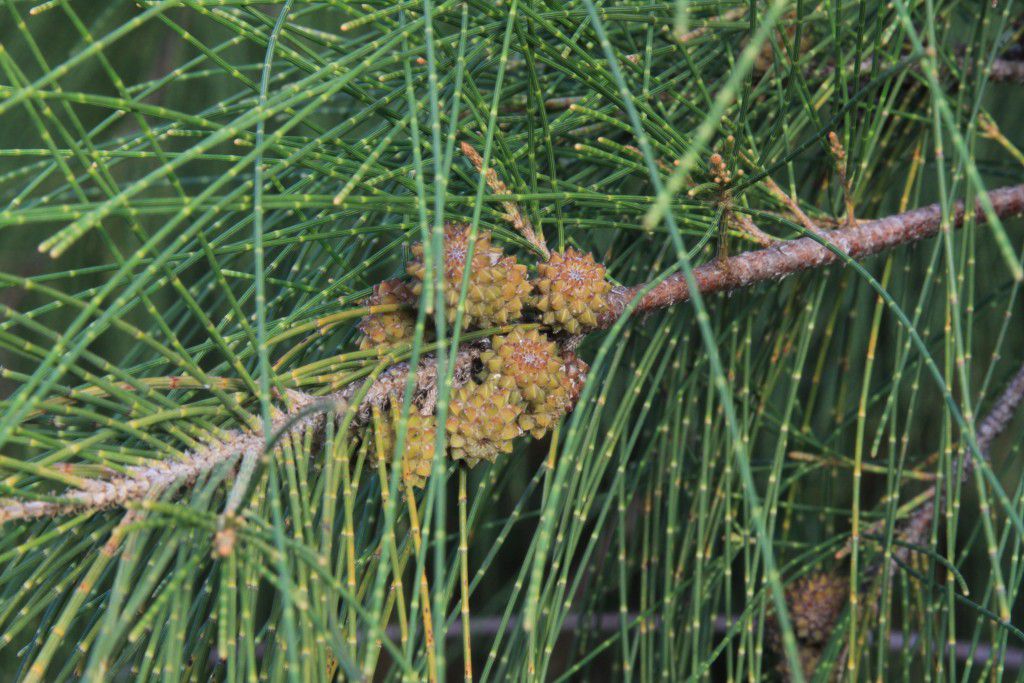
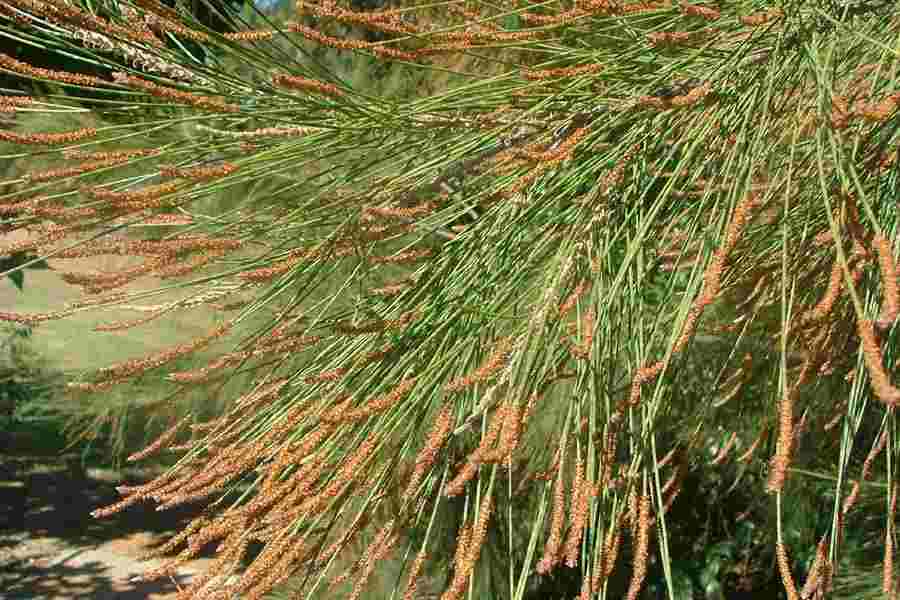
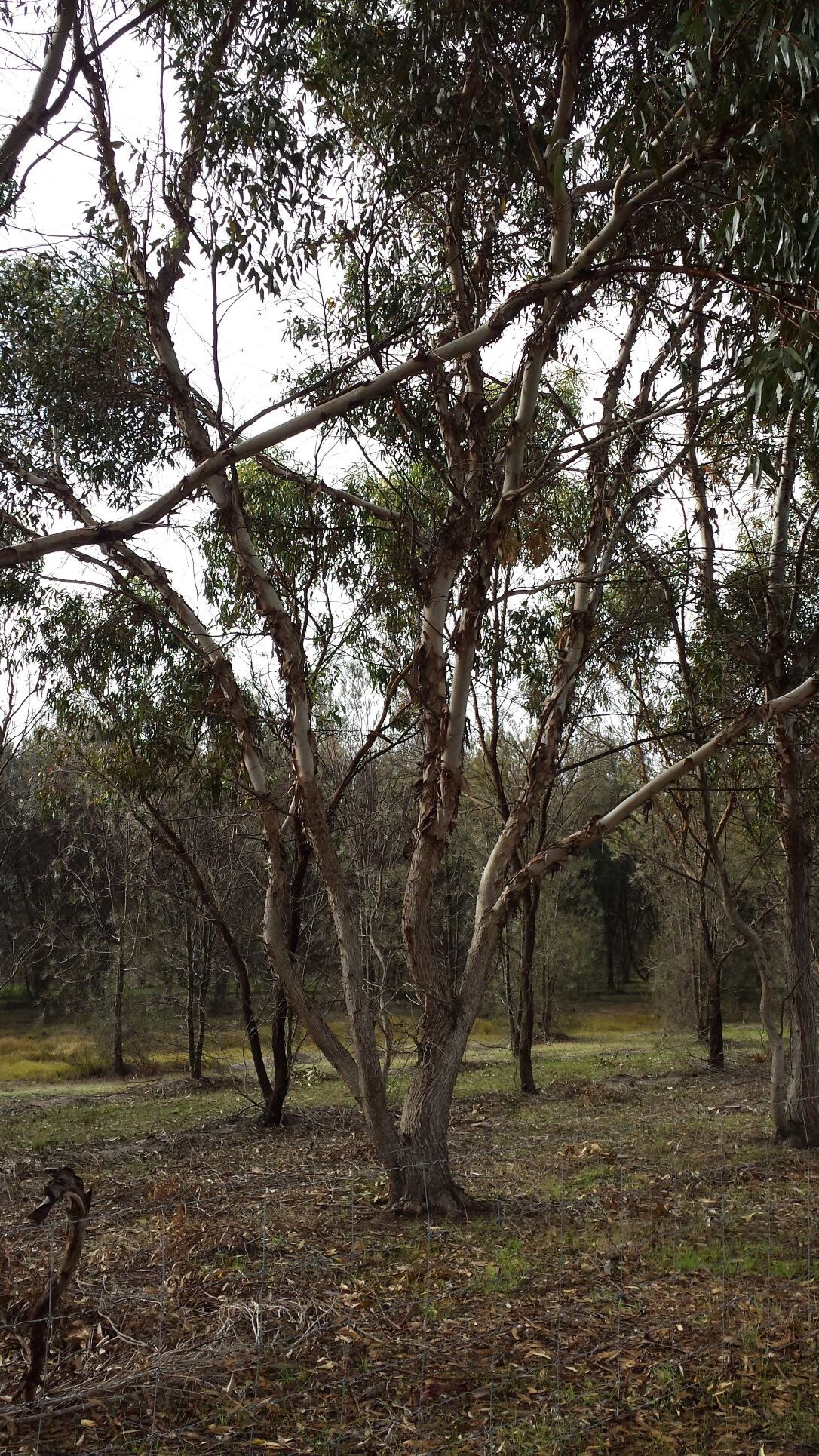
 Casuarinas are dioecious with the male trees turning orange when loaded with pollen. The female trees produce tiny tufted red flowers which develop into woody cones. The seeds are winged and easily extracted from the cone if the cones are stored in a paper bag for a week.


 Casuarinas dominate in habitats with limiting conditions such as sandy salty coastal sites, rocky shallow soils, swampy flats and salt lands.
Eco-system services provided by Casuarinas
- Nitrogen fixing through blue green algae root associations
- Roots bind the soil and reduce erosion
- Nesting sites and perches for birds
- Bores and other insects as bird food
- Host for Mistletoe (link)
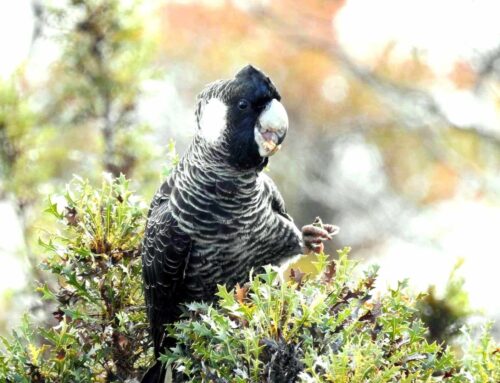
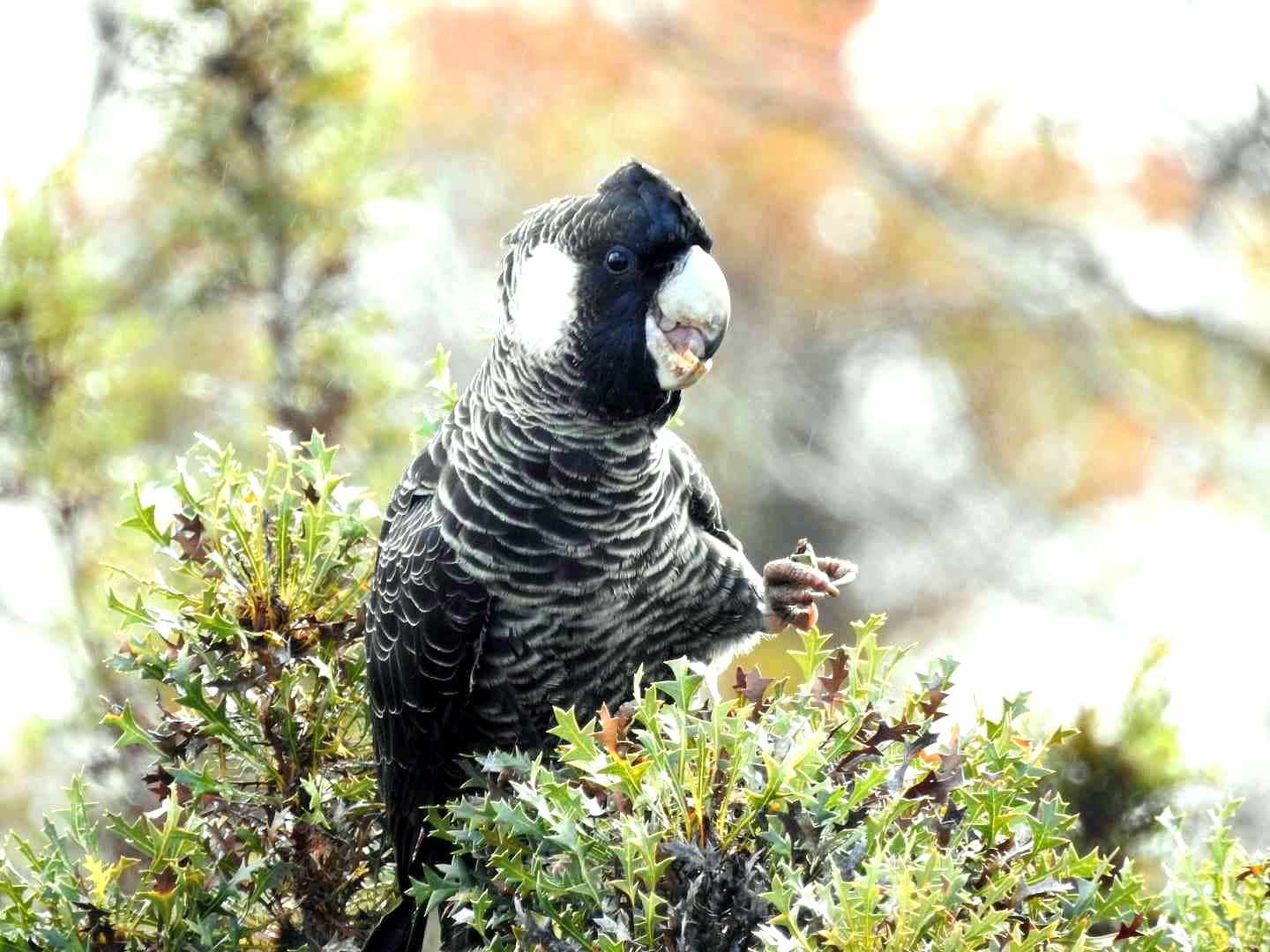
- Fruit are parrot food
- Seedlings browsed by kangaroos
- Flowers nectar for birds, bees and wasps
- Litter encourages fungi and orchids
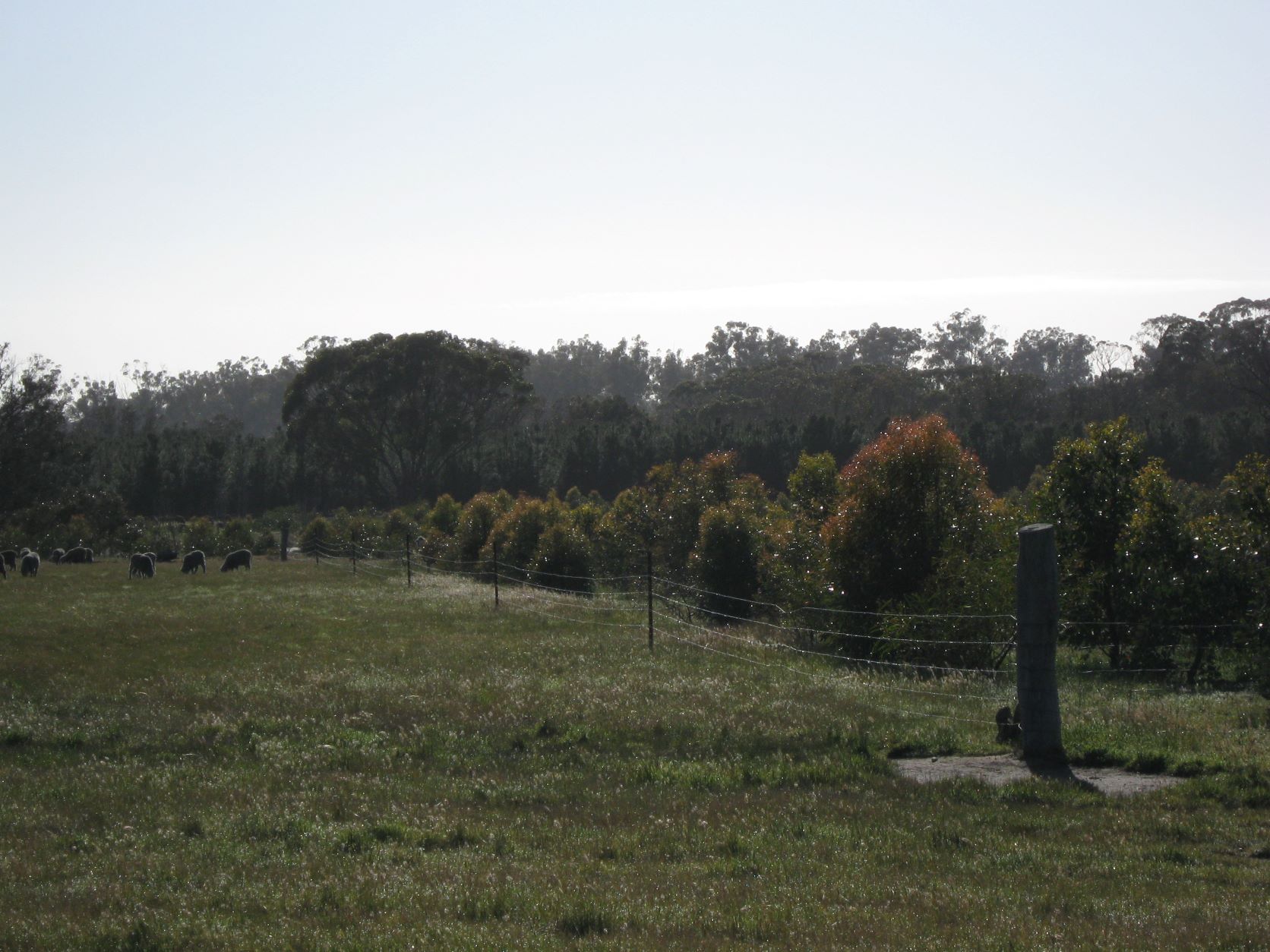
- Wind abatement on coast
Leave A Comment